Amarillo CPA and Bookkeeping AlternativeWho keeps the cattle year
Steven Palmieri is the Tax CFO on this door, the Entrepreneur's CFO, and the person the cattle year is written with.
Meet the practice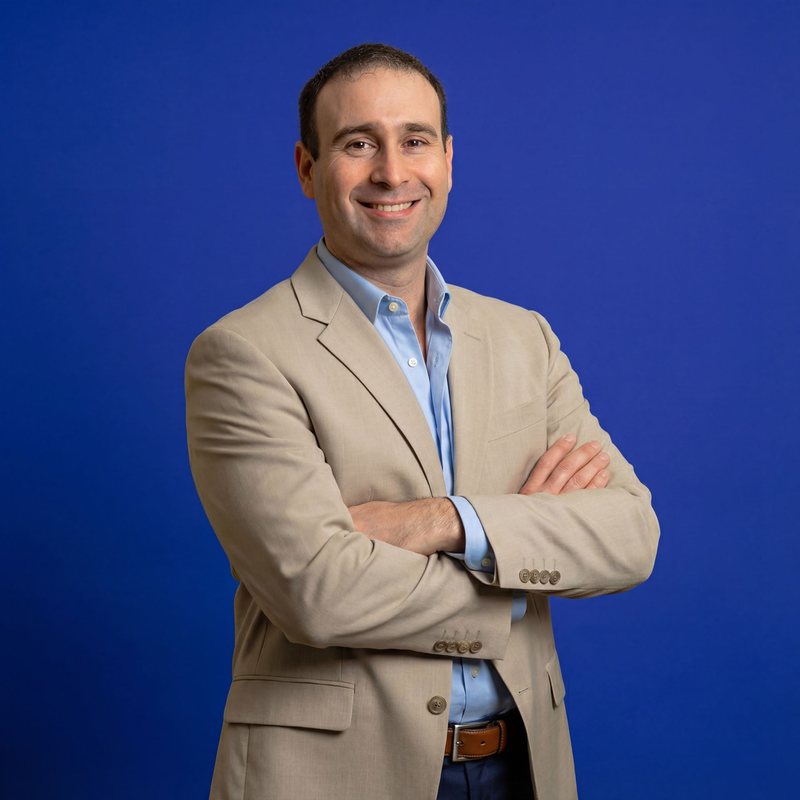
A nickname is not the work
Every Texan knows a High Plains year is still a Texas year. We keep those books by video, and the close lands on the day we set. A nickname for the town is only a story. The work is the cattle year, the two counties on the bill, and the month the bank will accept. Video carries that month, and the close date stays on the calendar already agreed.
The person on the first screen
Steven Palmieri is named on the first screen because that is who you will talk to. We keep the books, set the payroll file up on the company you already pay, and write the return from closed months. On the date the owner already circled, Steven and his team shut that cattle month. The cattle year is told in this one conversation. The portrait above is the person on that call, and it is not repeated lower on the page.
You came for the months, the close, and the return. That is what we keep with you through the year. A signed report is the one request we hand onward, and the disclosures page says where that line is.
What a first look covers
A first look is short. Which month will not match. Whether the books already hold an entity election. Whether the notice says Potter or Randall. Whether a paper wants an attest signature, the one job this door hands to another office. Whether a loader or a sale is dated by the day it happened. You should leave that look knowing if there is work, and what the work is not.
Nothing on that call is an engagement. Both sides can walk away. If the months are already true, we say you can keep them yourself. A signed scope is what starts work, and an unfinished month has to be closed before any monthly rhythm begins.
The pages you have been reading are the map of that look. The herd year, the two counties, the sale, the loader, and the line on signatures. They are written so a stranger can tell what happens here without a tour.
What people say after
They say the year finally has the shape it had while they were living it. The sale is in its month. The machine is in its month. The county is the one on the notice. The register and the bank land on one number, or the gap is something we can name. That is a quieter feeling than a stack of logins, and it is the feeling the work is for.
They also say they were glad the signature question came first, when there was a signature question. Waiting is what makes a letter feel larger than it is. We would rather be plain.
What we will not pretend
We will not pretend a finished mark in software is a closed month. We will not pretend a blended county rate is kinder than the notice. We will not pretend an ordered machine has already gone to work. We will not pretend a sale deposit explains the costs that posted after it. Each of those pretenses makes a year easier to say and harder to defend.
We will not pretend to sign a report. If the letter asks for that, you hear it first, and the disclosures page is the long version of the same answer. The months can still be kept. The signature cannot. Holding both ideas at once is the whole of the honesty on this door.
The person you meet is the person who will later prepare the return, if there is a return to prepare. You should not have to teach the cattle year twice. Bring the month that worried you. A county notice folded in with that month should ride along to the same call. The rest of the year can follow once that month has a shape.
That short look at the cattle year can finish with both sides walking away. That is a successful look when the months are already true. We would rather send you back to a clean file than invent a project so the call feels busy. Busy is not the same thing as useful, and a cattle year has enough real work without any extra.
What you want looked at
A month, a notice, or a letter is enough to start.

You will be talking to the Steven Palmieri practice.