
Amarillo CPA and Bookkeeping AlternativeCPA Amarillo for the books and return.
We keep the books, set payroll up on the company that pays the crew, and write the return. The person in that seat is Steven Palmieri, Tax CFO and the Entrepreneur's CFO, and the cattle year is what we keep with you.
Start with the books

You will be talking to the Steven Palmieri practice.
The books before a sale
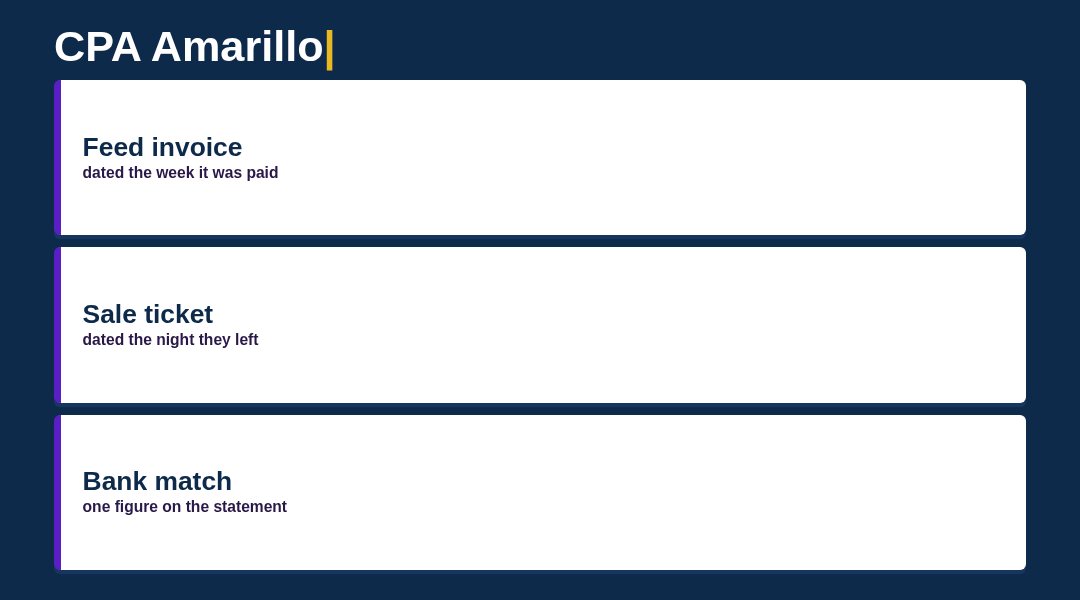
Palo Duro has been a park since 1934, and that long patience is something we share. We close the books one bank match at a time.
Click to read the books ›Tap to read the books ›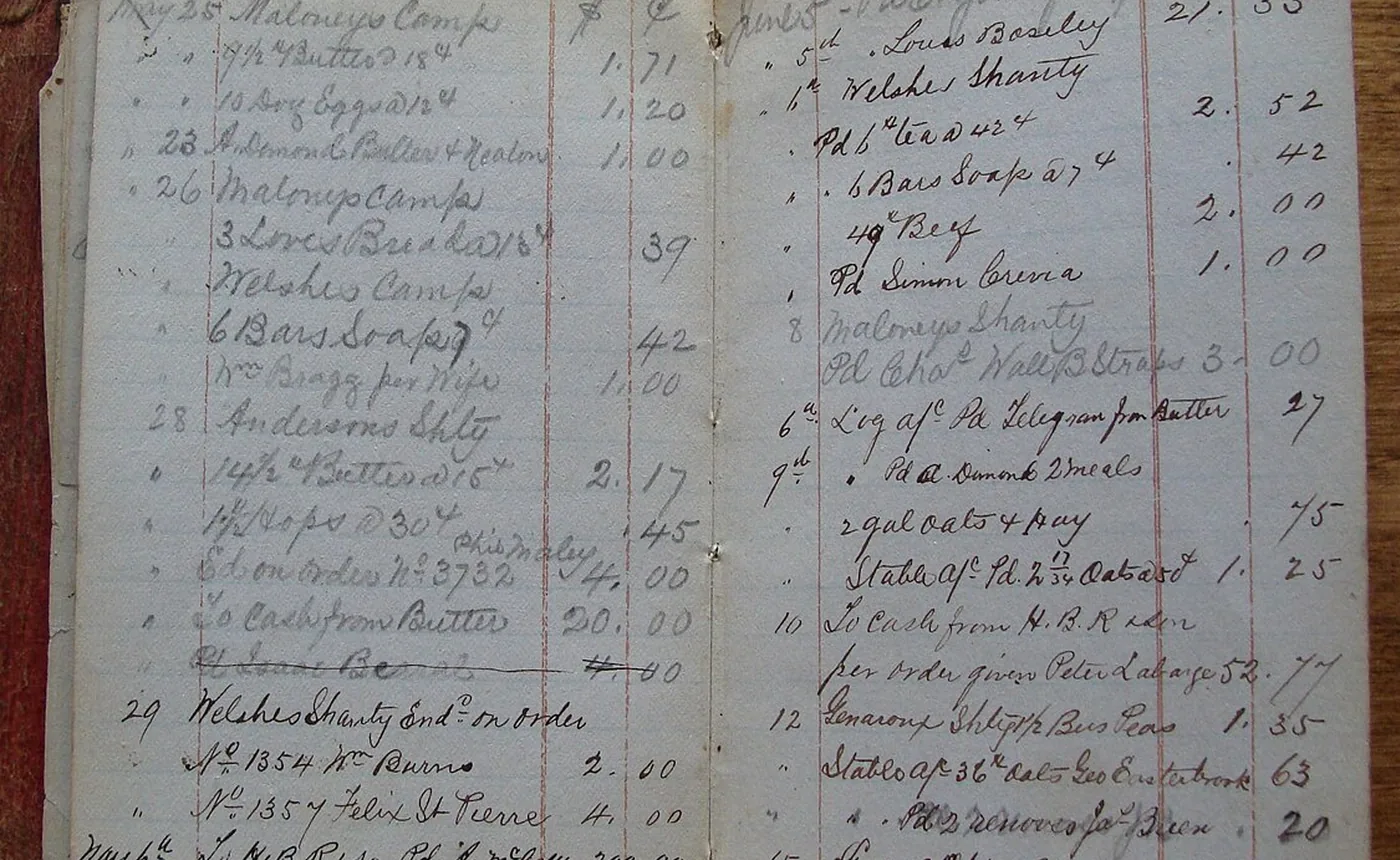
Two rates on one bill
Panhandle yards sell more than a quarter of the country's fed cattle, and we share that pride. The price still belongs in the week it was paid.
Click to read both rates ›Tap to read both rates ›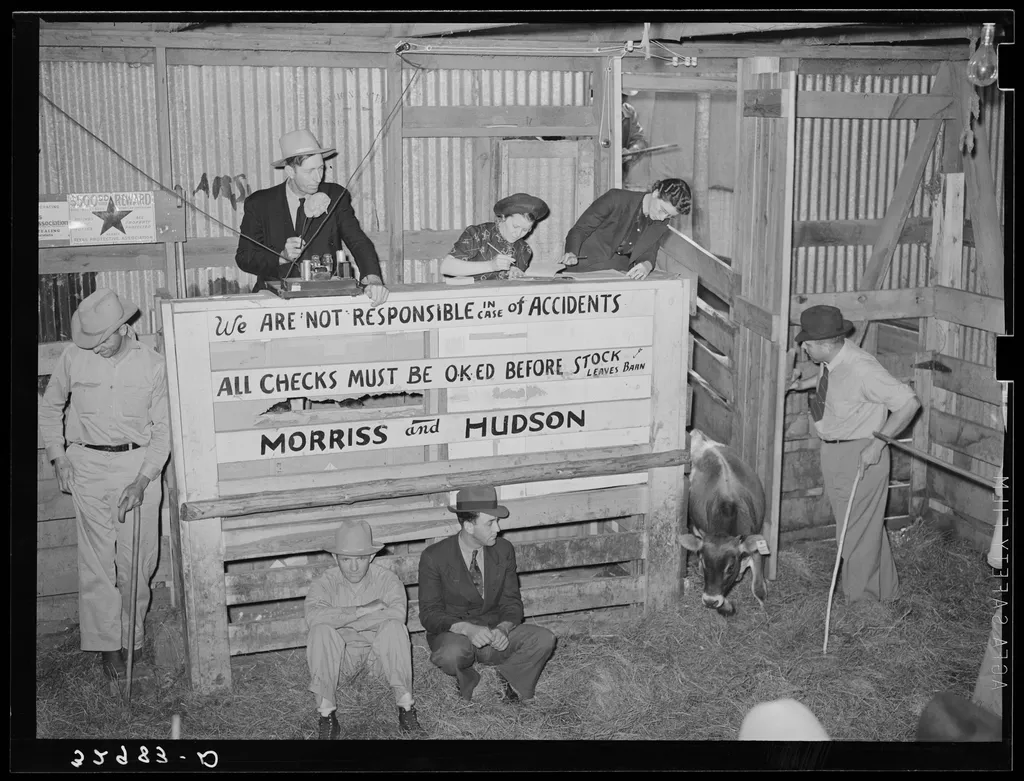
The night of the sale
Sixty longhorns still walk Polk, and we can all appreciate that hour. The sale ticket is dated the night they leave.
Click to sort the sale ›Tap to sort the sale ›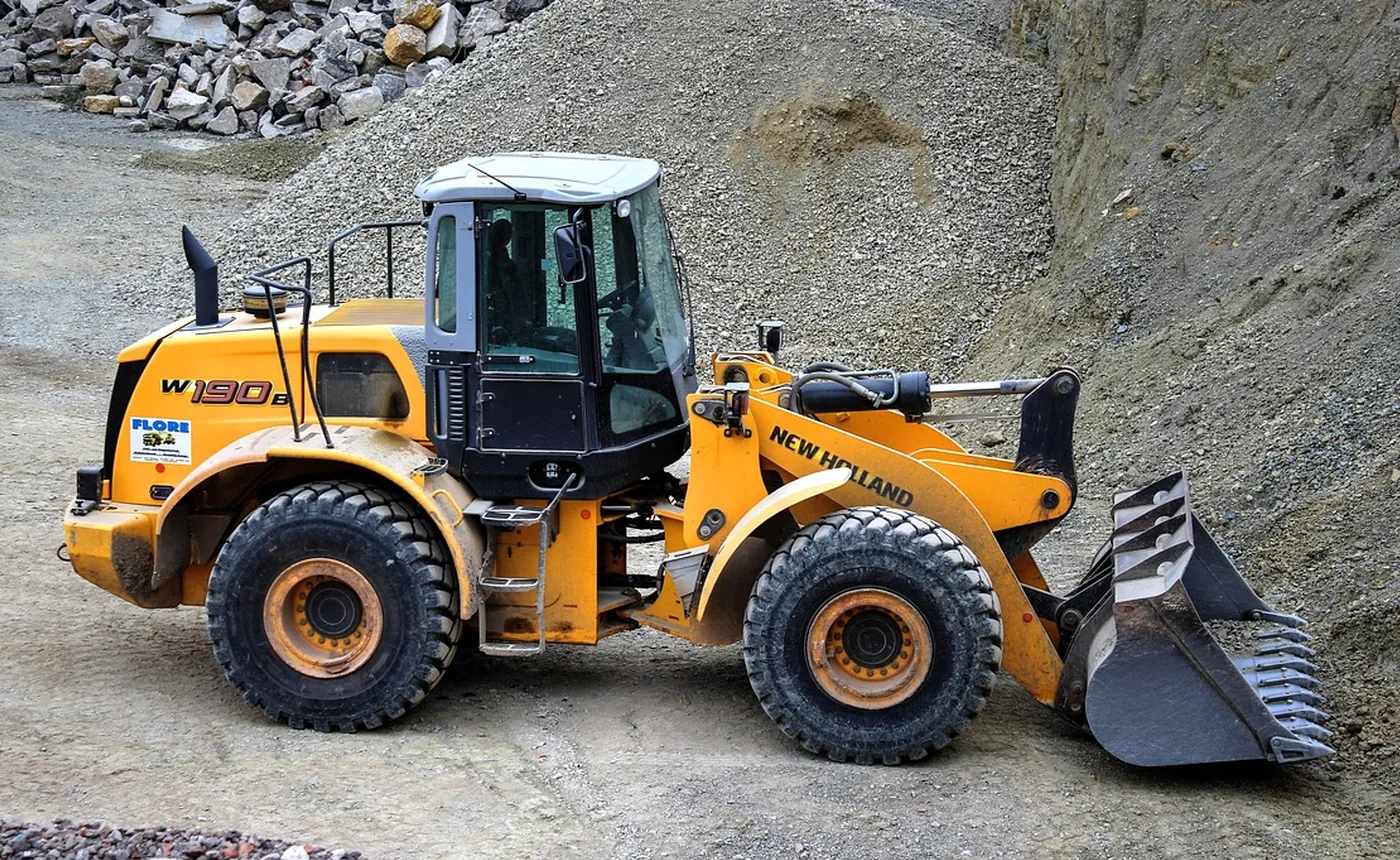
When the machine counts
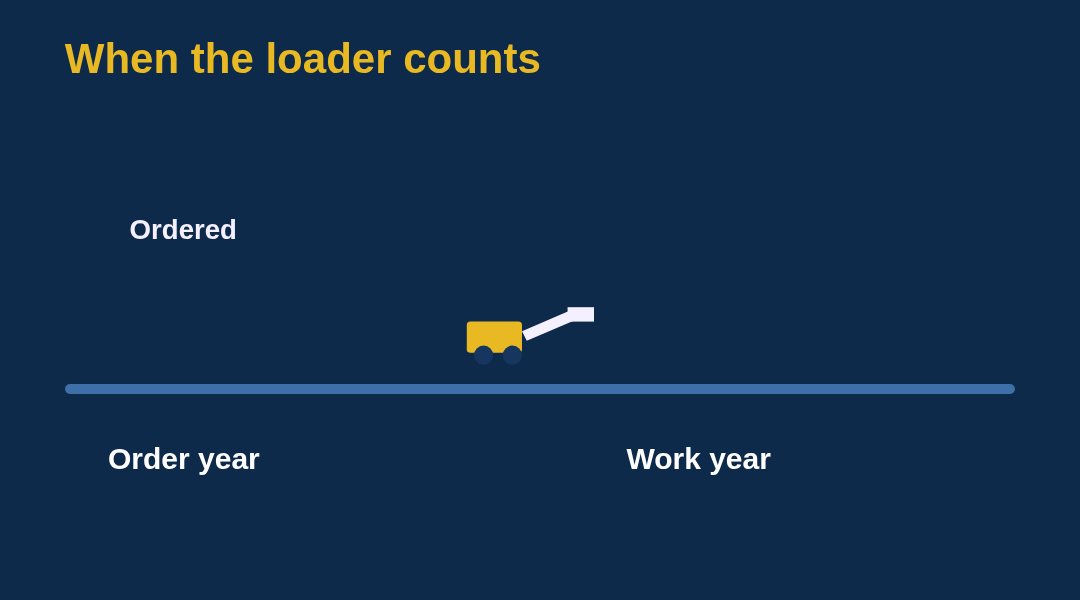
A runway long enough for aviation testing is a point of pride we understand. The loader still counts in the year it went to work.
Click to date the machine ›Tap to date the machine ›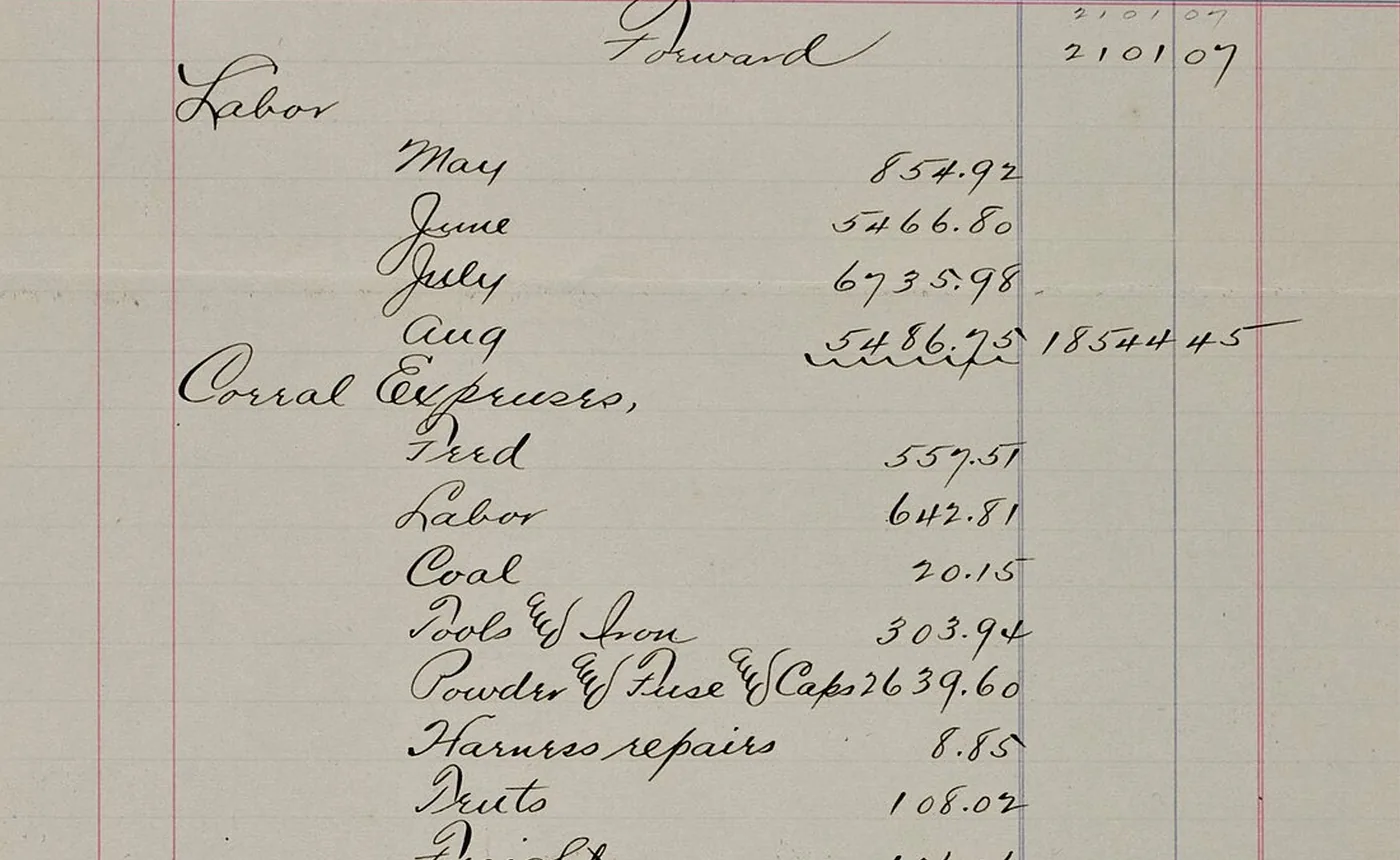
Where a signature stops
Only an attest signature leaves this door. Month-end, the crew's pay file, and the return you sign all remain with us.
Click to see the limit ›Tap to see the limit ›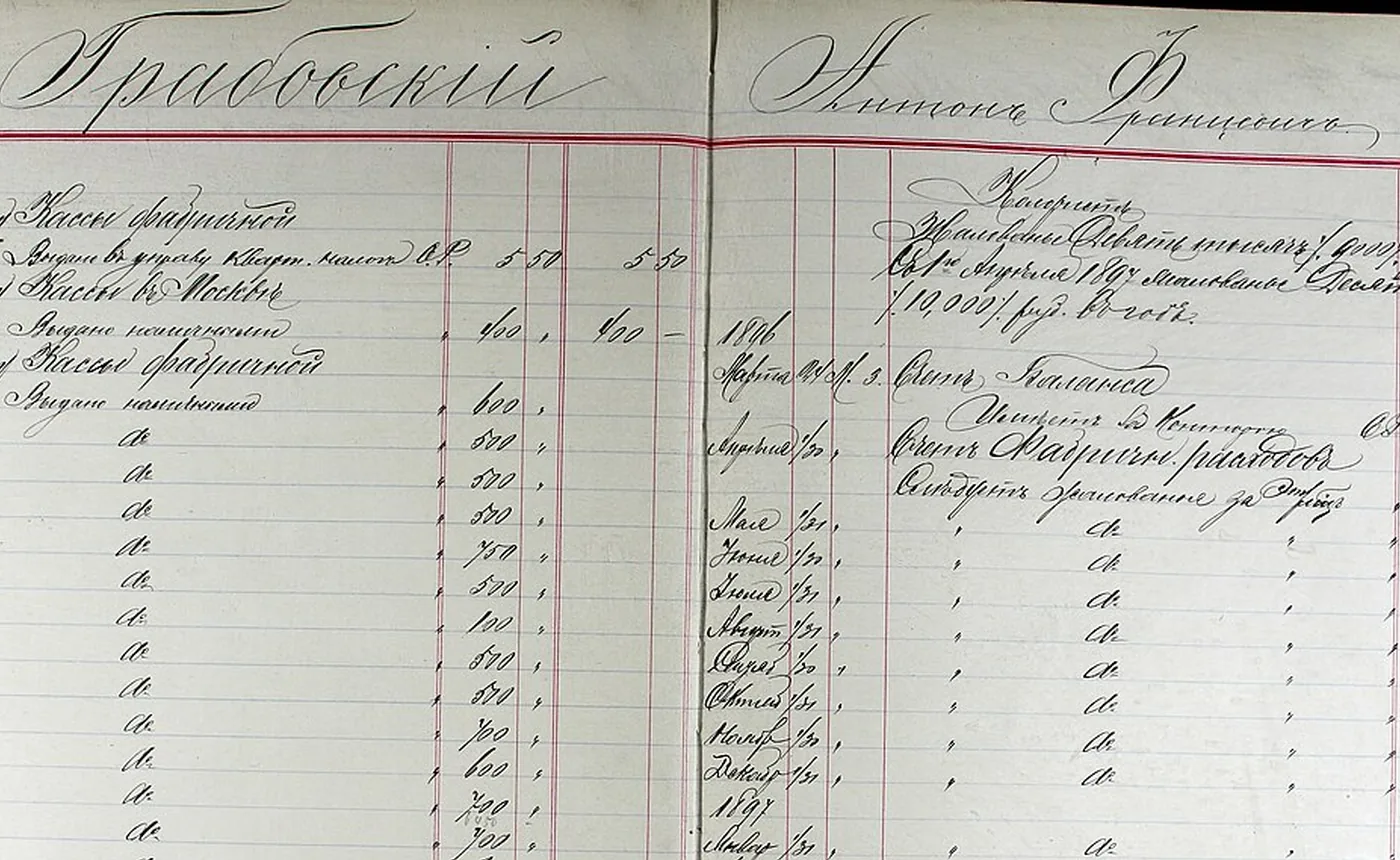
Questions before you call
The meat-packing plants are among the largest in the country, and we share that pride. The questions still start with the books.
Click to read questions ›Tap to read questions ›Sort these rows
A row stays with the books, or it leaves for a signer.
1A herd year with no election on file Stays
Months of feed and sale can be written before any entity exists. The return waits on the election page, and we will not sketch a substitute so the draft looks softer.
This row stays with the months and the return we write.
2A sale that asks for a signed report Leaves
Keep the sale months with us. A letter that wants an audit, a review, or a compilation has to reach an office that can sign.
This row leaves our hands and goes to an office that can sign.
3A loader bought in the sale window Stays
The loader counts in the year it started earning. The order date stays in its own column, and the two dates are never collapsed.
This row stays with the months and the return we write.
4A bill that names both counties Stays
Potter's rate and Randall's rate stay on their own rows. The notice picks the row. Nothing here blends them into a third county.
This row stays with the months and the return we write.
5Payday on a company you already pay Stays
The payroll file can be stood up on the company already paying the crew. We do not cut the checks. Missing reports leave wages in two stories.
This row stays with the months and the return we write.
6A note that already reached us Stays
The note is read before anyone calls, so the cattle year is told once. Pick a time after that reading, not before.
This row stays with the months and the return we write.
Who keeps the books
We are all Texans. The Panhandle joins by video, and the books close on the same day.
Click to meet the practice ›Tap to meet the practice ›Which books should we read
The practice is in Dallas. Point at the register line and the bank line that disagree.
You will be talking to the Steven Palmieri practice.
The rates, the dates, and the notice
Match the statement. The month is ready when the register and the bank statement show one figure on the statement date.
Where the work is done. Owners in the Panhandle meet us on video, and that month's register matches on the day we set.
Crew pay is set up on the company that already writes the checks, and that setup shares the first conversation with the month that is still open. The questions sit in the order a first call actually runs. Name the month. The call can carry everything else.
Picture the envelope before any table. The school workbook lists block shares only, never acres and never taxable value. Amarillo ISD covers 88.25 percent of the 2020 census blocks in this locality, and most of that share sits in Potter. The 2025 total on the row is 0.8712 for each 100 of value. On the Amarillo ISD row we copied, maintenance and operations are 0.7122 of each 100. Interest and sinking are 0.159. A block share tells you where the lines fall. It does not tell you what the yard is worth.
County rows on that workbook refuse to be twins. Potter is 0.59024 for each 100, spread across 68.84 percent of the blocks. Randall is 0.40099 for each 100, spread across 31.16 percent. Canyon ISD is the thin slice, 6.85 percent of the blocks. Fold the two county figures into one and you have billed a county that never mailed you. We follow the district the notice names and we leave the other rate alone.
Sales tax came off the Comptroller locator. Receipts written inside the city stack a state piece of 6.25 percent on a city piece of 2 percent, and the locator files that city piece under code 2188013. The transit line is empty, so a receipt written inside the city shows 8.25 percent. A stop past the city line gets its own lookup. A hotel room is a different stack. The city reports 7 percent under chapter 351, and the state piece on that room is 6 percent. Neither belongs on the sales receipt.
A bar night keeps a third stack. The permit holder sends 6.7 percent of receipts. The person at the table still pays the 8.25 percent sales piece. Both are due on the 20th, and a packed Friday does not shove either date. We want the report the register already printed, not a story about the weekend.
Franchise is the filing owners skip when they owe nothing. The Comptroller page from that reading drops the tax at 2,650,000 dollars of revenue and still expects the report. Retail and wholesale on the page are 0.375 percent. Everything else on the page is 0.75 percent. Mark 15 May. A report with nothing owed is still mailed. We also refuse to invent a penalty, because the locality file never published one.
The list of what the yard owned has its own clock. Section 22.23 of the Tax Code puts the rendition on 15 April, and on 15 May only after a written request has moved it. Section 41.44 puts a protest on 15 May, unless 30 days after the notice lands later. A loader that already left can still be sitting on last year's list. We rebuild that list from the books so the missing machine is visible before April, not after the protest days have started to run out.
A month closes when two numbers agree, not when software shows a finished mark. On the statement date we set the register beside the statement. If they differ, the gap is a short list of items you can date, including items that posted earlier than the statement. Handing that month across with no speech attached is the relief. Meeting the gap in April, while the property list and the return are both already in motion, is the worry we would rather spare you.
Which return those months feed is settled by the election already in the file. We read that page before we say the return is personal or on an entity, and we will not guess a size cutoff until the page is in front of us. A choice that is still open gets named while this year can still move. We will not draft a second election so the pages look gentler. Where the owners are pass-through, the entity pages are finished and only then does the personal return begin.
The crew's checks keep coming from the company that already pays them. That company's payroll file is one we are willing to build. We do not cut the checks. Reports that never come back leave the return and the bank telling two stories about wages, and the cattle year stays open until someone can point at the figure.
Palo Duro covers a long stretch of Randall and Armstrong, and it opened as a park in 1934. The rock people photograph took longer than a season to show itself. A year of closed months asks for the same patience, one bank match at a time.
Food plants, freight yards, and energy shops are the work the city names for itself. Those lines of work do not stand in for a closed month. We still set payroll up on the company that already pays, and the return waits until those months match.
A runway long enough for aviation testing is a point of pride. Pride does not date a machine. We ask which year it went to work, and the order date stays a separate line in the file. The two dates stay apart even when the deposit and the delivery share a week.