Amarillo CPA and Bookkeeping AlternativeThe herd year, before any election
You can keep the months of a cattle year before anyone has picked an entity. The books have to show those months either way.
Name the election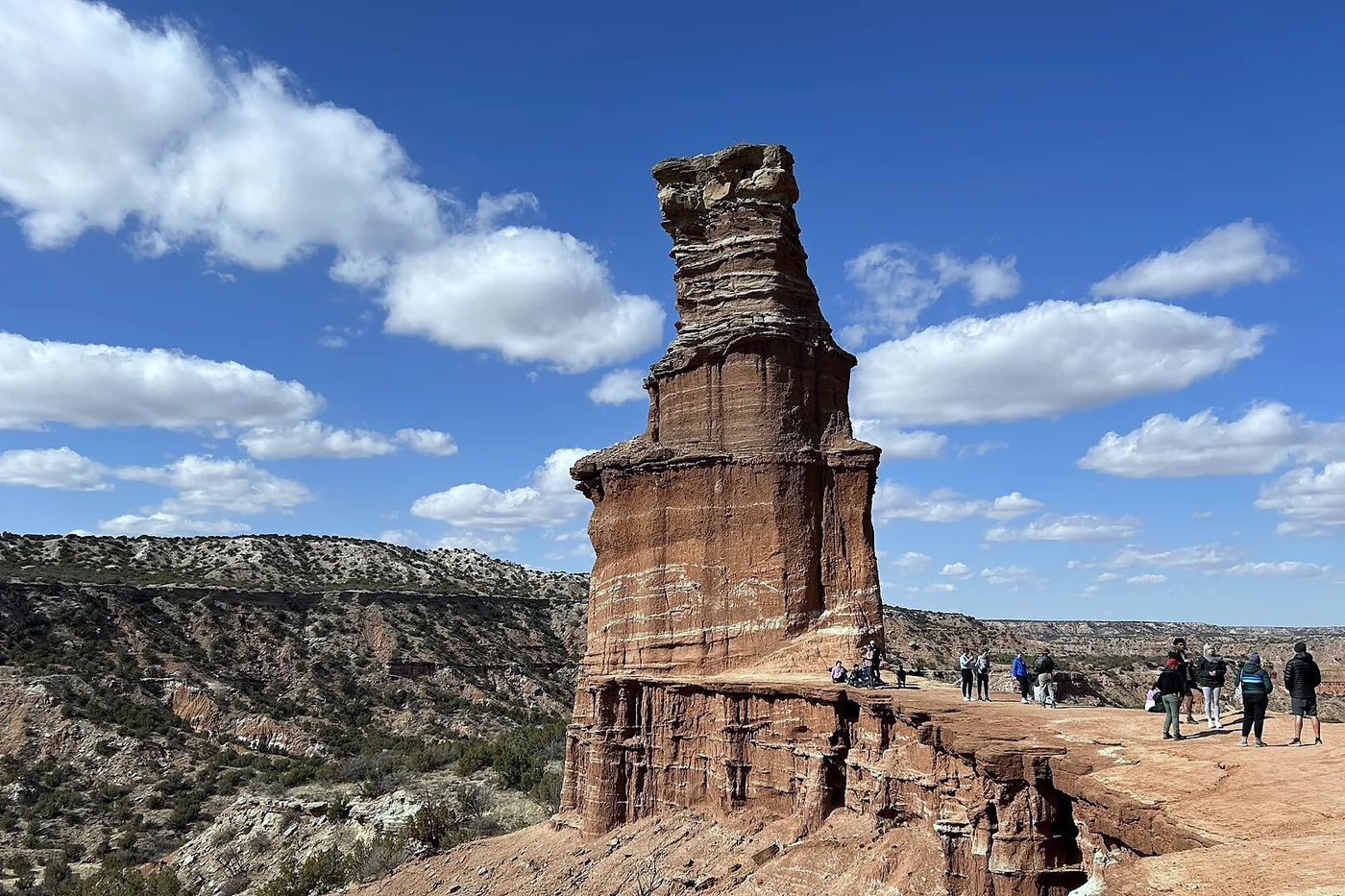
What the months have to show
The canyon took a long time to cut, and it shows. A year of months, closed one at a time, shows the same way. A founding year is not the year a return follows. The return follows the election already on the file, and the months still have to be true before that election is read. Every Texan knows that canyon took longer than a season. We work with owners there by video, and the books still have to be true either way.
The year does not wait for the paperwork
A cattle year is the stretch the herd actually lived. You bought in one window, fed through the months nobody photographs, and sold when the price showed up. A calendar year is an easy thing to file and a poor way to describe that stretch. We write the months in the order they happened, and the return is built on that order.
Owners often arrive with a year that was busy and a file that is thin. The sale is vivid. The feed bills are in a folder. The bank statements are in another login. None of that is a closed month yet. Closing is the register matching the statement on the statement date, one month at a time, until the sale month is as dull as January.
Missing paperwork does not freeze the months. We keep closing while a lawyer is still drafting an entity, and we will not sketch an entity so the draft looks softer. When an election page does exist, we read it before we say the return is personal or on the entity. Until that page is on the table, we do not guess which return is the large one.
What comes back to you
You leave with a year you can point at. Each month either matches or it names the gap. The sale is dated in the month the cattle left. A loader bought in that same window is dated by the morning it went to work, not by how the sale felt. If you want payroll set up, it stays on the company you already pay, and we do not cut the checks.
Anything still undecided this year is named in the month we can still act on it. That might be an election, a machine not yet at work, or a notice still in the envelope. We would rather say it in October than meet it in April.
Sometimes the honest end of the page is that the months are already clean and you do not need an engagement yet. We will say that. A cattle year does not need a project invented for it.
When the question has to move
A request for an audit, a review, or a compilation, whether it comes from a lender, a buyer, or a letter, is a signature this cattle practice sends away. The months can stay. The signed report cannot. The first conversation names the state board lookup and stops on that point. A cattle month that matches the bank is never dressed up and then called a signed report.
A fee conversation waits until the open month is actually closed. If that month cannot be closed, we decline. Building a return on a month that still moves is the thing we would rather refuse.
The quiet half of the year
Owners sometimes keep two calendars without noticing. One is the sale, which everyone can retell. The other is feed, fuel, and repairs, which arrive as small drafts and feel too minor to date. Those drafts are the year. Drop them into one bucket called cattle and the month the bank cares about goes soft.
We split them back out, one date at a time, until a dull month looks as finished as the sale month. The relief is a year you can hand over without narrating it. The worry, if this waits, is a spring letter that treats the soft month as if you had chosen it.
None of that work picks an entity for you. If the election is on the file we read it and follow it. If it is missing, the months still get dated, and the return waits. A tidy story that required a different entity is a story we will not write.
Where the year got to
A sentence about the sale, or about the missing election, is enough.

You will be talking to the Steven Palmieri practice.